Showing posts with label lemon. Show all posts

Thursday, November 17, 2016

Cashew cheese


There are hundreds of recipes of cashew cheese to be found these days. This is the version I make almost weekly in large batches to be used in various culinary creations during the week. It's easy, simple, neutral and it fits well in a lot of dishes. 

Here are a few examples of where I use this “cheese”:


panini, pure or with fresh basil, tomato and arugula
pizza, calzone, and lasagna
as topping for filled vegetables: paprika, courgette, aubergine, or champignons
filled empanadas or various pastries
risottos
with stir-fried veggies
soups - added at the end 
pasta, gnocchi
quiche

Even though the amounts of each ingredient vary every time I make it, here is a recipe that gives you an idea of which amounts more or less to use.

Ingredients:

1 cup cashews 
2 cups water
2 tbsp tapioca starch, dissolved in 3 tbsp water
1/3 cup nutritional yeast (Beware! Some brands are quite bitter and do not add that special cheesy taste, so make sure to get the best brand you can find)
1 tbsp sea salt (less if you prefer or if using a different type of salt)
2-3 tsp citric/lactic acid (or apple vinegar or lemon juice if you don’t have citric or lactic acid at hand)

optional: replace some of the water by 1/2 cup coconut milk (it adds a nice creaminess and it takes the cheese taste to an entirely new level)

People with nut allergies can use coconut milk to replace cashews in this recipe. Use 2 cups of milk instead of 1 cup cashews + 2 cups water. Feel free to adapt the amounts of tapioca starch depending on the consistency required for a certain recipe.  

If you want a sliceable or shreddable cheese, add 6 g agar agar or 14g kappa carrageenan 

Version with miso, sundried tomatoes, smoked paprika and agar


Method:

Soak the cashews in some of the water for at least 4 hours. 

Blend it well in a high speed blender, food processor or any device that can turn it into a smooth cream. 

Bring all ingredients to a saucepan and cook it over medium-low heat while stirring regularly (I do it with a whisker). When it starts boiling, reduce heat and keep stirring for further 3-5 minutes. 


baked champignons with cashew cheese and thyme


Pour it into a mould (in case of making the cheese harder with agar or carrageenan) or into a container that can be closed (after cooling) with an airtight lid. Keep the cheese in the fridge for up to a week (or longer, depending on how it's been handled).

If you want to make a hard cheese and doubt whether to use agar or carrageenan, here is a blogpost that might help you. 

Bottom line: Carrageenan produces a better texture than agar and it melts when heated - agar doesn’t. Carrageenan is a controversial product (health concerns).  

If you have no problems with extra calories and wish for an extra greasy, extra meltable cheese, then perhaps the following recipe could make you happier. ;-) 


Friday, June 17, 2016

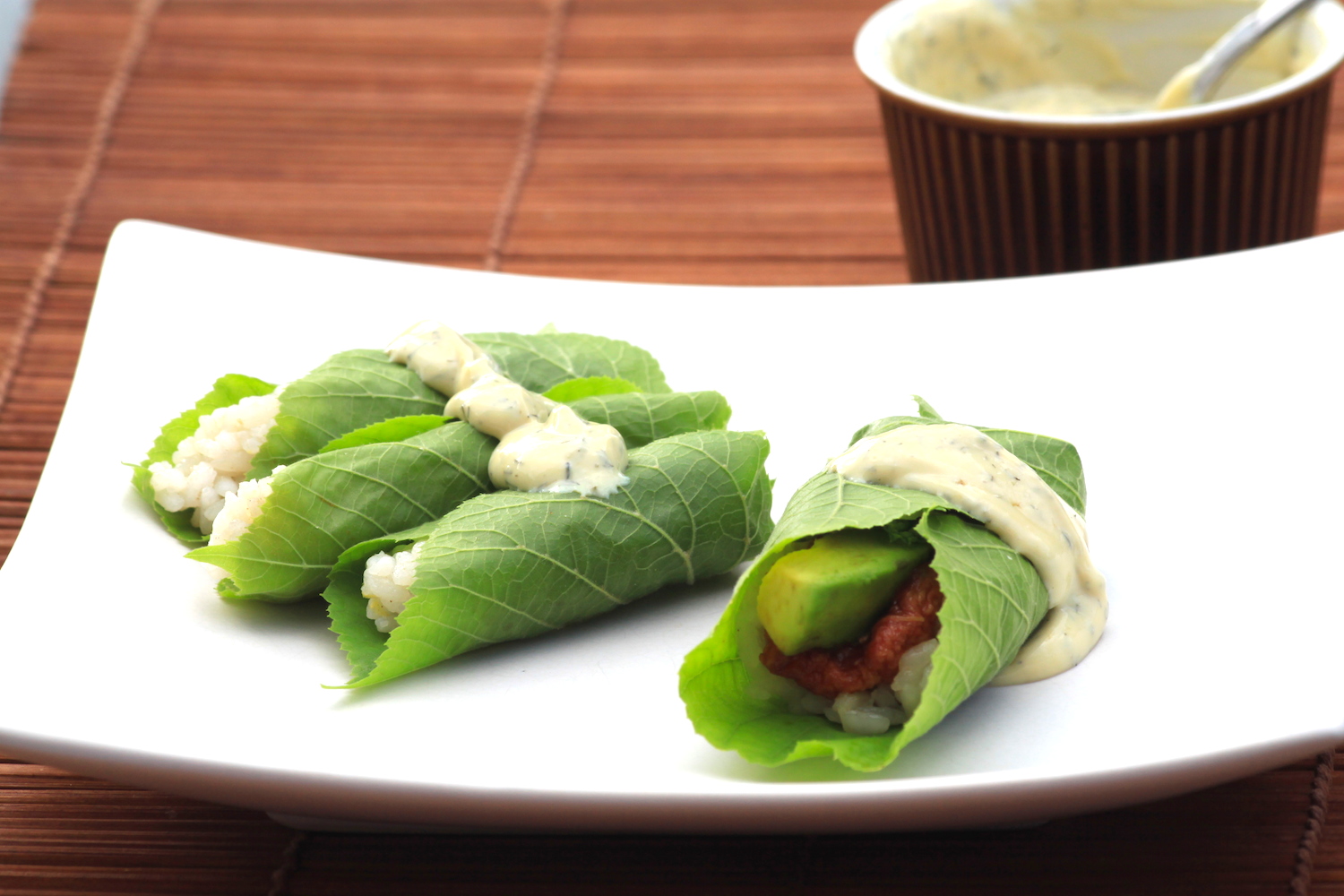
Linden wraps with tomatish-quinoa and herbs de Provence


I love using linden leaves to wrap grain dishes. In my former blog post I shared tips on how to harvest and prepare them. 

Here is another idea for using a simple and delicious quinoa with dried watermelon (or any other garnish that you have at hand) wrapped in this heart-shaped leaves.


Ingredients

2 cups cooked quinoa 
1 tbsp finely ground herbs de Provence (bay leaves, thyme, sage, marjoram, oregano, rosemary)
1/2 tbsp sea salt
Fresh basil (optional)
1/3 ts szechwan pepper (ground)
zest of 1/3 lemon
2 tbsp lemon juice
3 tbsp tomato passata
Linden leaves (fresh or in brine) - see 


Add all ingredients together and use either your hands or a kitchen processor to make sure to get a nice sticky texture that is easier to use in the little wraps. If the quinoa is on the side of almost over cooked, it will naturally get thicker and gluey when you bring all ingredients together. If not, you can blend it all quickly on the food processor, or you can add one tbsp of ground flax seed to it - or psyllium husks, or anything that helps it get a little bit sticky. 


Place one linden leaf on a plate or cutting board, add a little spoon of the quinoa and any extra vegetable such as asparagus, marinated tofu, pistachios, cranberries or anything extra to add contrast, sweetness and/or texture to the wraps. In the picture above I used dried watermelon and it was totally yummie.


Wrap each leaf in the way you’d wrap vine leaves. Keep them refrigerated until serving time. 


Wraps of linden leaves stuffed with elderflower-rice


Linden (or lime) trees are known for their medicinal properties and aromatic blossoms. Their leaves are versatile greens that add a special touch to various culinary creations. My favourite way to use them is in wraps, in much the same way as vine leaves are used in dolmades. Ideally you pick them up in early spring when the leaves are young and tender. I like to get a bunch of them and prepare them in brine for later use during the rest of spring and summer. 


If you are late for the early harvest and only find older leaves, you will notice that they get a bit more fiberish. Still it is possible to cook them in salty water (for 10 minutes or less, depending how hard the leaves are). Add them to a sterilised glass jar, add a brine made from water, sea salt and apple cider vinegar - like with vine leaves - and close it with the lid. Leave them in the brine for at least a week in the fridge before using them. I like to add much less salt and vinegar as the usual amounts we find in commercial vine leaves. If you don’t want to use a jar, you can also freeze the boiled leaves.


You can wrap basically any grain dish with linden leaves, as they have a neutral flavour. My favourites grains for that are rice and quinoa (Check my next blog post for another idea of a quinoa recipe to be used with linden leaves). Add your favourite spices, fresh herbs and vegs to them and they are good to go. 


Here is an idea of rice scented with elder blossoms.

Ingredients  

2 cups rice (preferably sushi rice or arborio)
2 1/2 cups water
1/2 cup elderflower blossoms (without the stems)
Zest of one (organic) lemon, finely grated
1/4 teaspoon allspice
1/2 teaspoon ground cardamom

1/2 cup elderflower cordial
1/4 cup apple vinegar
1 teaspoon sea salt


Method

Bring the rice with the water, elderflower blossoms, allspice, cardamom and the lemon zest to a boil. 

Reduce heat to medium and cook it until the water totally evaporates. Add the rest of the ingredients, cover with a lid and leave it in low fire for 3 more minutes. 

Remove from fire keep it covered until it almost cools down completely. 

Add a little portion of the rice to the center of a linden leaf and wrap it as you would with vine leaves. If it is not season of linden, you can use this recipe also wrapped in wine leaves. You can also use it in nori sheets, as sushis. Add raw or steamed vegetables of your choice. 


Serve with mustard-dill sauce or mint-yoghurt sauce. 

Mustard-dill sauce: 

1/2 cup Go-On Alpro soy
2 tsp dijon mustard
1 - 2 tbsp coconut sugar of sucanat
1 tbsp dried dill

Add all ingredients to a little sauce bowl and whisk it until everything is well blended. It keeps well in the fridge for at least 3 days, in a air tight container or jar.


Mint-yoghurt sauce:

1 cup soy yoghurt
2 tbsp coconut milk
1/2 tbsp sea salt (or to taste)
1/3 cup finely chopped fresh mint leaves
1/3 tsp lime zest

Bring all ingredients together in a sauce bowl. Stir it well enough until it becomes a smooth cream.   


Tuesday, May 31, 2016

Kibbeh


I love Lebanese food. This is one of my favourite versions of a vegan kibbeh. A similar snack is made in various Middle Eastern countries, with varying names to it. 


Ingredients:

2 cups bulgur (preferably a Turkish type they call “koftelik”, meaning that it is suitable for koftas) 
2 cups boiling water
2 tbsp lemon juice
zest of one lemon
1/2 ts allspice
1/3 ts ground cinnamon
1/2 ts sambal (or chilli paste) or more if you wish
1 ts dried mint
1/2 ts dried marjoram 
1 ts sweet paprika powder
1/3 cup tomato paste (concentrated) - or rosehips compote if you wish 
1 full cup of fresh mint, thinly chopped
salt to taste (as reference, I used 1 1/4 tbsp sea salt  - use much less if using table salt)
3 tbsp olive oil (a good quality olive oil makes takes this recipe to another level of yumminess, but I choose not to use any oil to avoid extra calories and it is still very delicious)  


Method:

Add the bulgur to a large bowl, add the boiling water and allow it to swell (it should take about 5 to 8 minutes). The bulgur should be soft enough. 

Add all the other ingredients and knead the dough with your hands until all the spices have are well spread and the consistency is sticky.

Shape the little kibbehs with your hands. 


I love eating them just like that, with salad. 

You can also fry them or spread the dough on a greased baking tray and bake it for 20 minutes in 190°C. If I make the oven version of a kibbeh, I like to add 1/3 of the volume in cooked and mashed potatoes and adjust the seasonings accordingly. The potatoes help it to be moist and it adds a better texture to the baked version. If you make it in the oven, try adding tomato slices on the top - or cashew cheese. Or both. 


Friday, September 4, 2015

Lemony courgette soup with ginger and savory

Soup is one of my all favourite meals. It is also probably the easiest to make and a great way to get kids to eat enough vegetables. As much as I love eating out, I almost never order soup at restaurants. It probably has to do with most soups having basically the same “background taste” coming from commercial vegetable stock. That leaves me usually missing some freshness in soups. Anyone who learned to cook by reading recipes in cookbooks believes that vegetable stock is a crucial ingredient to any soup. Luckily that is not truth. Home made soup does not require at all the use of vegetable stock. In fact, it tastes much better without it.

Courgette soup with chickpea croutons (a.k.a. plain gathia)

If you take a look at the ingredients in vegetable stocks you will see a few common ingredients to most of them: bay leaves, celery leaves or lovage leaves (a stronger “cousin” of celery), nutmeg, palm oil… the other ingredients vary and may include onion, parsnip, pepper and other spices. By not adding any stock to soups and always having a delicious and aromatic result at the end, I concluded that the basic soup taste is provided by bay leaves and lovage/celery leaves, which add some depth and umami feeling, preparing the taste buds for the other aromatic herbs that are added afterwards. Onions are another common ingredient in soups. I do not use onions for various reasons, but the culinary reason for that is that onions usually take over any other aromatic subtlety offered by other herbs and condiments. So by leaving out those strong tastes, I feel free to use more of other “background” taste makers such as fresh ginger, nutmeg, freshly ground coriander, lemongrass, kaffir lemon leaves, curry leaves, galangal, fenugreek - not necessarily all of these at the same time so I pick some of them depending on the mood I am in at that time and on what is available and seasonal. 


I dry fresh celery leaves or lovage when they are abundant in their harvest season to use in the months where the fresh ones are not available. 

Here is an example of a quick soup:

1,5 kg courgettes/zucchini
1,5 liter water (or less if you want a thicker soup)
3 fresh bay leaves
1,5 tbsp lovage leaves, roughly ground (with the hands, as they were dry) or 3-5 fresh leaves
2 tbsp freshly grated ginger
80 ml coconut milk (I had it open in the fridge so it needed to be used, but it was not essential to the recipe - though it does add some extra creaminess to it)
zest of one organic lemon
3 tbsp lemon juice
a handful of fresh savory (Satureja montana or S. hortensis) 
Sea salt to taste (I used +/- 2,5 tbsp)
Pepper oil to taste

Cook the courgette in pieces with the water, lovage and bay leaves until tender. Remove the bay leaves and blend it until creamy. If too thick, add water. Add all the other ingredients and cook for 3 more minutes. Remove from fire, add the lemon juice and the fresh savory and leave it 5-10 more minutes with the lid on, to allow the spices to combine. Serve immediately. 


Bon appetite!

Sunday, August 30, 2015

Watermelon wraps with lemon-cardamom cream


I love dried watermelons. Now it is the season to stock up on them for the colder months, when almost no fresh fruits are available. I use my dehydrator to dry them until they are leathery or half-dry them until chewy but still slightly moist. If you want more "meat" in your dried watermelons you can cut thicker pieces and let them dry until the desired texture.

You can use dried watermelons various recipes, from (fruit)salads, sweets or even sushi. Here is a custard-like creamy recipe that works great as wrap filling of dried watermelon.


What you need:

400ml coconut milk
100ml rice milk
zest of one organic lemon
2 tbsp lemon juice
4-5 tbsp sucanat/rapadura/jaggery/mascobado (these are different names for the dried and unrefined juice of sugar cane)
1 tsp agar agar / 3 g (or as suggested in package - every brand works differently as thickener so the amounts depend on which brand you use)
1 tbsp arrowroot, diluted in 2 tbsp water
6 drops cardamom oil or 1/5 tsp cardamom powder (optional)


How to do it:

Bring the milk with the sugar and agar agar in a sauce cooking pan over medium heat and whisk it now and then until it boils. Reduce heat and add the arrowroot + water and keep on stirring with a whisker, to avoid lumps. Cook over low fire for 2 more minutes. Add the lemon zest, lemon juice and cardamom and turn the heat off. Transfer the mixture into a glass bowl and place it in the fridge for a few hours until cool. Use it to fill banana-leathery pancakes or dried watermelon.


Tuesday, March 24, 2015

Risotto with young nettle and wild mushrooms


This is an easy to make risotto. You can use any greens available at each season, such as wild nettles, dandelions, spinach, goosefoot, purslane, amaranth… The long list of spices is explained by my personal choice of not using vegetable stock. Instead I prefer to use my own herbs and spices to give it a more “refined” taste that does not overrule the more subtle aromas and flavours. If you do not have most of the herbs mentioned here, feel free to use vegetable stock or other spices that you have at home like in a regular risotto.  

Ingredients:

2 cups risotto rice (e.g. Carnoli or Arborio)
2 cups freshly picked young nettles (or the greens of your choice)
1 cup cooked sweet chestnuts (you can replace them by fresh or frozen peas if it is no chestnut season)
2 carrots, finely grated
200g wild mushrooms, roughly chopped 
2 teaspoons extra virgin olive oil
1 (organic) lemon juice and zest (grated with a microplane)
2 bay leaves
8 small dried curry leaves
3 celery dried leaves 
2 teaspoons of herbes de Provence (rosemary, sage, thyme, oregano and savory), finely ground 
sea salt to taste (I used 1,5 tbsp)
1 teaspoon freshly grated ginger (preferably grated in a microplane)
2 tbsp roughly chopped fresh sage (optional)
1/3 tbsp sambal or any chilli pepper oil of your preference
80 ml oat cream (or home made cashew cream)
4 tbsp nutritional yeast (brand Vitam or another brand with a cheesy and not bitter taste)

Cook the rice with the bay leaves, celery and curry leaves, as instructed in the package (each rice may require a different cooking time). When the rice is half cooked, add the chestnuts and leave them cooking on the top of the rice, just getting extra steamed. 

Rinse thoroughly the nettles and blanch them by throwing boiling water over them and leaving it 3-5 minutes. Drain them and press well to remove the excess of water. The liquid you can drink as nettle infusion. Cut the nettles roughly.

Zest the lemon and set aside. Cut the lemon in half, juice it, and set aside as well. 

Heat the olive oil in a large, heavy pot and set over high heat. Cut the mushrooms add them to the olive oil. Turn over to medium heat, and cook until they begin to soften, about 5 minutes. 

When the rice is well cooked add the carrots, ginger, lemon juice and zest, sea salt, sambal or pepper oil, herbes de provence, mushrooms, nettles, oat cream and nutritional yeast and stir well to combine all ingredients. Adjust the taste with salt or extra pepper to your taste.


The salad in the picture consists of wild young greens: winter purslane, chickweed, cleavers, camomile leaves and purple dead nettle. Dressing: figs, apple, herbal oil, sea salt and balsamic vinegar. Roughly chopped walnuts sprinkled on top.


Saturday, October 11, 2014

Chestnuts and seitan in tomato-creamy sauce


Chestnuts are all over the city now. Free food. Nutritious too. During this season we practically eat chestnuts almost every day at home, in every possible form: smoothies, desserts, stews, curries, soups, pancakes, bread, pastas… It is such a versatile ingredient that it is almost impossible to get tired of it. At every new recipe, chestnuts will perfectly blend in giving the dish a slightly sweet and creamy texture, helping to thicken sauces, balancing any bitter or acid flavours that would tend to dominate. Its high carbohydrate content makes up for a great grain replacer in meals, perfect for those avoiding gluten in their diets. Power food it is.


This is one of my favourite recipes with chestnuts. I love playing with various spices and herbs but feel free to use your own spices while making the tomato sauce that goes in this recipe. 

Ingredients:

200g champignons, cut in thin slices
100g Oyster mushrooms, roughly shredded 
200g chestnuts, cooked and peeled
300g seitan, in chunks
100g corn (optional) 

350g Tomatoes in pieces or passata (from a jar)
150g coconut milk

1 tbs. coriander, freshly ground
1 cinammon stick 
2 bay leaves
1/2 t.s. freshly grated nutmeg
2 celery leaves (i used dried, but if u have fresh, that’s great)
1 tbs. caraway seeds
1 tbs. nigella seeds
1 tbs. freshly grated ginger
1 ts. lemon zest

Sea salt to taste
Chilli pepper sauce to taste (or cayenne pepper)

Freshly chopped cilantro leaves and sage leaves to garnish

How to make it:

Add olive oil to a baking pan, add the caraway seeds and the mushrooms and champignons and stir fry them for 7-10 minutes. 

Cook the tomato pieces or passata with the spices in low fire for more or less 5 minutes. Add the seitan chunks, the chestnuts, slightly broken into smaller pieces and the mushrooms. Leave it simmering in low fire with a lid for approximately 10 minutes. Add the coconut milk and the ginger and cook for 2 extra minutes. When ready, add salt, chilli pepper sauce and garnish with the fresh sage and cilantro. Remove the bay leaves before serving. 

If you don’t have all the spices I used here, feel free to make your own tomato sauce with the spices and herbs of your own choice, add the coconut milk for the creamy effect and combine it with the mushrooms, seitan and chestnuts. It can be that simple. 


Enjoy !